

Picture this: It's 2 PM on a Tuesday, and Sarah, your star project manager, is struggling through another presentation. She's been with the company for 12 years, knows her stuff inside and out, but today her brain feels foggy and she's fighting off a hot flash that's making her face red. Meanwhile, her male colleagues are wondering if she's "losing it" or if the stress is getting to her.
Sound familiar? This scenario plays out in offices across America every single day. But here's the thing: it doesn't have to.
When men step up as allies in supporting women through menopause, they don't just help individual colleagues. They transform entire workplace cultures, boost productivity, and create environments where everyone can thrive. And honestly? It's about time we talked about this.
The Reality Check We All Need
Let's get real about where we stand. Right now, 61% of men don't know how to support a female colleague experiencing menopause. Nearly half of all men report they're not knowledgeable about menopause at all. Meanwhile, 45% of women say menopausal symptoms negatively impact their work, and only one-third feel comfortable talking to a male manager about what they're going through.
These aren't just numbers: they represent millions of women who are navigating a major life transition while feeling isolated at work. We're talking about experienced professionals, many in leadership roles, who are considering stepping back from their careers or leaving altogether because their workplaces don't get it.
The kicker? Menopause affects 50% of the workforce directly. This isn't a "women's issue": it's a business issue, a talent retention issue, and a basic human dignity issue.

Breaking the Silence Changes Everything
When male leaders start treating menopause as a normal life stage instead of some mysterious "female problem," magic happens. The stigma starts to crumble. Women stop feeling like they need to suffer in silence or make excuses for symptoms they can't control.
One Menopause Champion put it perfectly: "Being a man talking menopause is liberating, and it increases confidence, which inspires inclusion." When men approach these conversations openly and without judgment, they send a powerful message throughout the organization: This matters. These employees matter. We're all in this together.
Think about it this way: when was the last time you heard someone whisper about a colleague having a knee surgery or taking medication for high blood pressure? Probably never. But somehow, we've made menopause this taboo topic that women are supposed to handle invisibly. Male allies help flip that script.
Your Allyship Playbook: What Actually Works
So, what does good male allyship look like in practice? It's simpler than you might think, but it requires genuine commitment and a willingness to step outside your comfort zone.
Start with education. You don't need to become a menopause expert, but understanding the basics goes a long way. Hot flashes, brain fog, sleep disruption, mood changes: these aren't character flaws or signs of weakness. They're physiological responses to hormonal changes, and they're temporary.
Listen without trying to fix. When a colleague mentions they're struggling with menopause symptoms, your instinct might be to jump in with solutions. Instead, try this: "That sounds really challenging. What kind of support would be most helpful right now?" Sometimes, just being heard makes all the difference.
Normalize flexibility. Maybe that means not scheduling early morning meetings when someone's dealing with insomnia, or being understanding when someone needs to step out for air during a hot flash. Small accommodations can have huge impacts.
Control the environment where you can. Is your office consistently overheated? Can you provide fans or access to spaces with better temperature control? These might seem like tiny details, but they can mean the world to someone battling hot flashes.
Champion policy changes. Use your influence to advocate for menopause-friendly policies: flexible work arrangements, mental health resources, and inclusive healthcare benefits. When men push for these changes, decision-makers listen differently.

The Business Case That's Hard to Ignore
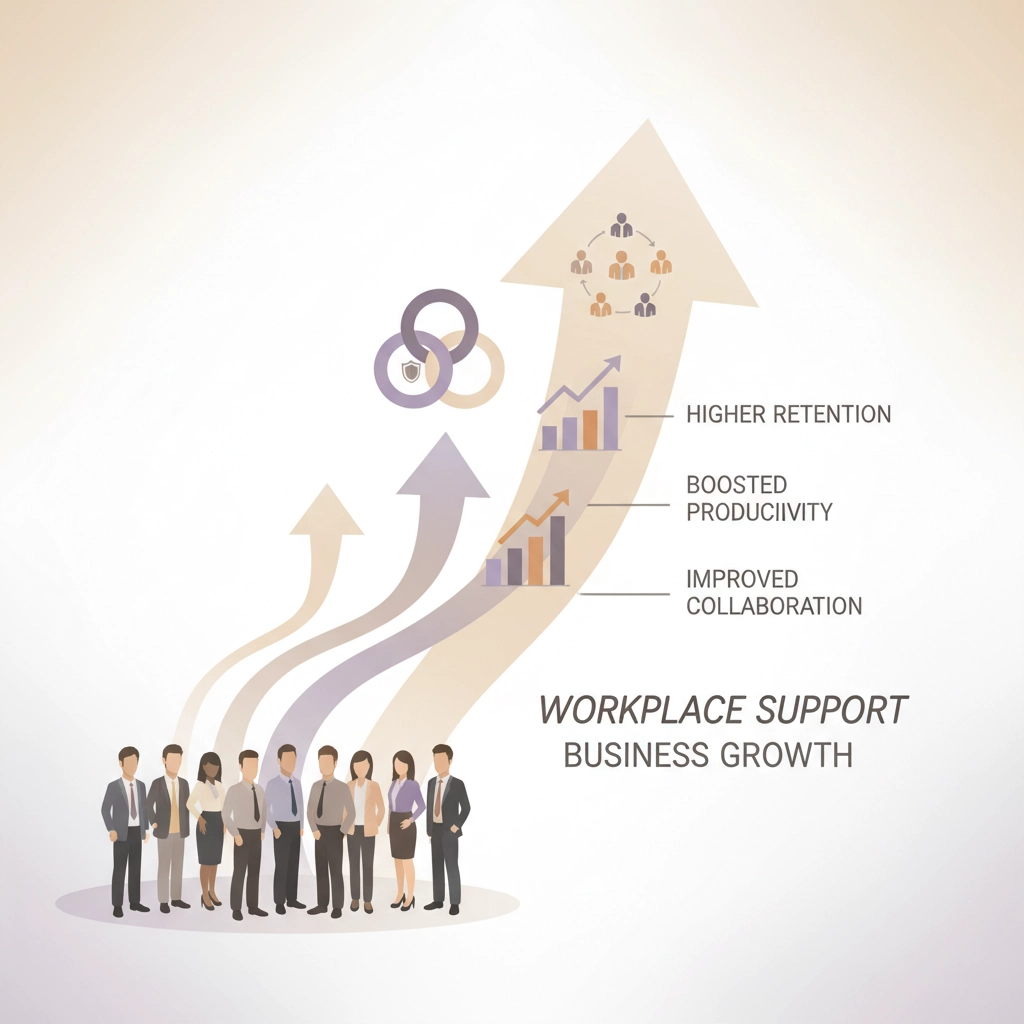
Here's something that might surprise you: Companies with strong menopause support don't just do the right thing: they outperform their competitors. When women feel supported during menopause, they're more likely to stay engaged, take on leadership roles, and bring their full talent to work.
Consider this: Replacing an experienced employee costs anywhere from 50% to 200% of their annual salary. Now multiply that by the thousands of women who leave the workforce during menopause because they don't feel supported. The math is staggering.
On the flip side, organizations that get this right see improved morale, better retention rates, and enhanced reputations as employers of choice. They become magnets for top talent who want to work somewhere they'll be valued throughout their entire careers.
There's also something called the "ripple effect." When male leaders actively support menopause inclusion, they create permission for other men to do the same. Before you know it, you've got a culture where supporting colleagues through life transitions isn't revolutionary: it's just how business gets done.
Building Your Framework for Change
Ready to make a real difference? Here's a practical five-step approach that actually works:
Step 1: Start the conversation. This doesn't mean making grand announcements. Begin by educating yourself and finding natural opportunities to bring up menopause as a normal workplace consideration.
Step 2: Create psychological safety. Make it clear through your words and actions that discussing health challenges won't impact someone's career prospects. When women see that openness is rewarded, not penalized, they'll start speaking up.
Step 3: Implement practical support. Work with HR to develop policies that actually help. This might include flexible schedules, temperature controls, quiet spaces, or access to telehealth resources.
Step 4: Become a visible advocate. Use your platform: whether it's team meetings, company communications, or casual conversations: to normalize menopause discussions and model supportive behavior.
Step 5: Keep learning and adapting. Every woman's experience is different. Stay curious, ask questions, and be willing to adjust your approach based on feedback.
The Bigger Picture
Here's what gets me excited about male allyship in menopause support: It's not just about fixing one problem. It's about building workplaces where everyone can show up authentically, where life transitions are met with support instead of silence, and where experience and wisdom are valued over outdated expectations about who gets to struggle and who doesn't.
When men step up as allies, they're not just helping women navigate menopause: they're modeling inclusive leadership for the next generation. They're showing that strength includes vulnerability, that leadership means lifting others up, and that the best teams are those where everyone feels genuinely supported.
The women in your workplace who are navigating menopause aren't asking for special treatment. They're asking for understanding, flexibility, and the chance to continue contributing at their highest level during a temporary but significant life transition. When male allies provide that support, everybody wins.
Your colleague dealing with brain fog today could be leading your biggest project tomorrow. The team member struggling with hot flashes might have the insight that saves your next product launch. The woman considering stepping back from her career could be the mentor your organization desperately needs.
The question isn't whether you can afford to support women through menopause. The question is: Can you afford not to?
Ready to become the kind of leader who transforms workplaces? Start with one conversation, one small accommodation, one moment of genuine support. The women on your team: and your organization's future: will thank you.
Want to learn more about creating menopause-supportive workplaces? Check out our resources at Menopause Education Center for evidence-based strategies that actually work.