
Legal Insights: Menopause in the Workplace
The Menopause Education Center partners with employment lawyers, in‑house counsel,
and HR leaders to help employers navigate menopause in the workplace—across ADA,
FMLA, anti‑discrimination laws, and accommodation strategies. Failing to recognize menopause‑related needs can expose employers to disability discrimination claims, harassment allegations, and costly workplace disputes.

Menopause Legislation: Federal, State, and Local Trends
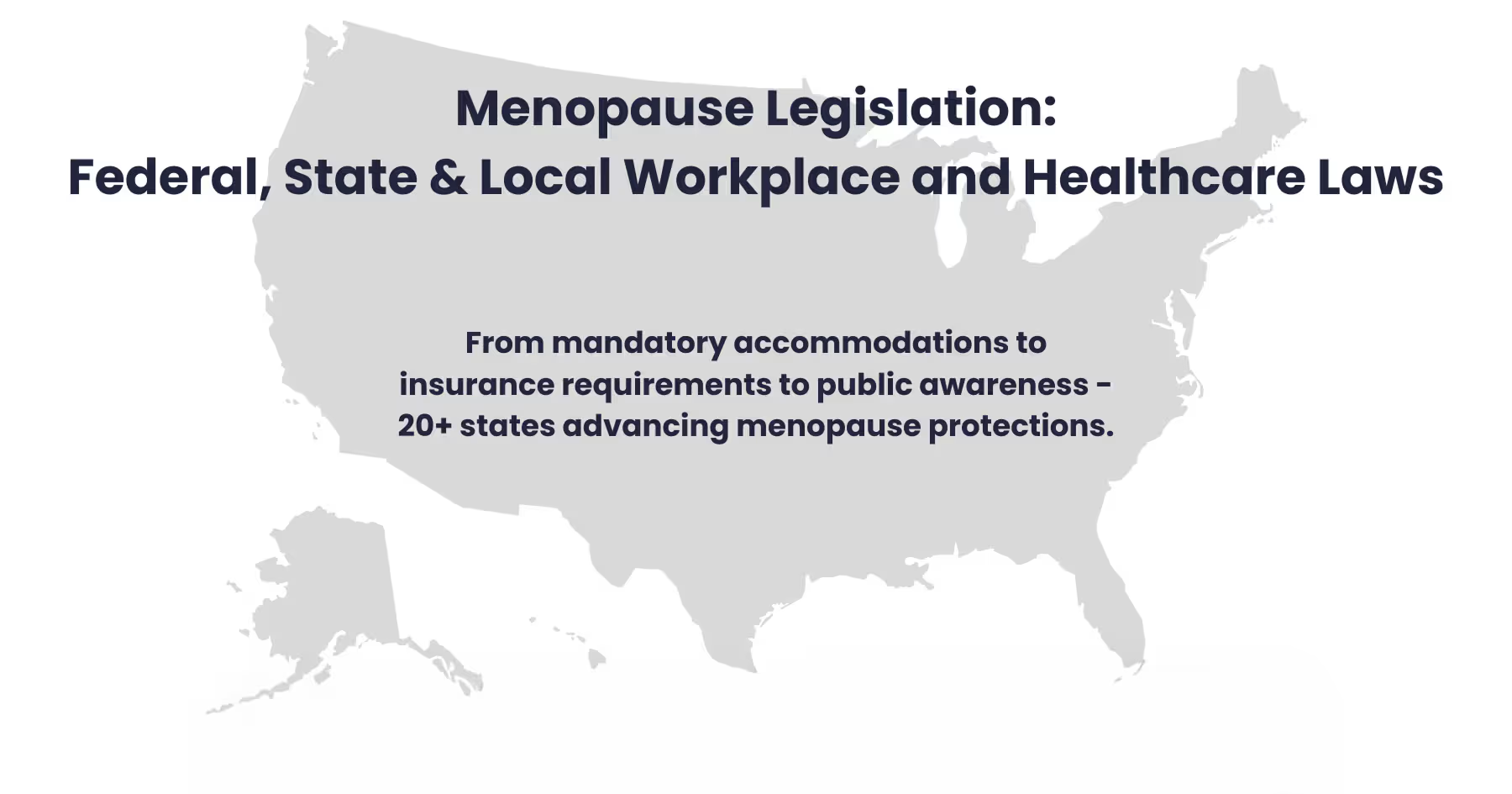
Menopause‑related workplace and healthcare protections are rapidly expanding across the United States, with more than 20 states advancing menopause‑focused legislation that impacts employers, insurers, and public entities. Legal teams and HR leaders need to understand how emerging menopause laws intersect with ADA, FMLA, anti‑discrimination statutes, and benefits design to stay compliant and protect their workforce.
Menopause in the Workplace: A Growing Legal and Business Issue
Millions of employees experience menopause‑related symptoms, yet stigma and lack of workplace support keep them silent, leading to absenteeism, performance concerns, and increased legal exposure for employers. Ignoring menopause in the workplace affects productivity, retention, brand reputation, and compliance obligations under federal and state employment laws.
Legal compliance is no longer just about avoiding lawsuits—it is about proactively
protecting your workforce and your business by treating menopause as a critical
workplace health and inclusion issue.


Why Legal Expertise in Menopause Support Is Critical for Employers
- Legal risks: Failure to accommodate severe menopause‑related symptoms can lead to disability discrimination, harassment, retaliation, and leave claims under ADA, FMLA, Title VII, and related state laws.
- Financial impact: Menopause‑related productivity losses and turnover are
increasingly recognized as a multibillion‑dollar issue for employers each year. - Lawsuit exposure: Mishandling accommodation requests or performance issues tied to menopause symptoms can result in EEOC charges, tribunal claims, and reputational damage.
- Retention concerns: High‑performing mid‑career women may reduce hours,
step back from leadership, or exit entirely when they feel unsupported, driving up recruitment and training costs
Menopause is increasingly being recognized in policy guidance and case law globally, and forward‑thinking employers are updating policies and training to reduce risk and support staff. The Menopause Education Center helps organizations build compliant,
practical menopause policies that protect employees and reduce discrimination risk.
Legal Services for Menopause‑Inclusive Workplaces

Why Menopause Policies Save Businesses Money
- Cost of inaction: Failing to recognize and accommodate menopause‑related symptoms can drive up legal fees, settlements, reputational damage, and lost productivity.
- Healthcare savings: Proactive education and support can reduce unnecessary
medical visits and claims associated with unmanaged menopause‑related symptoms. - Retention and recruiting: Menopause‑friendly workplaces retain experienced leaders and attract top talent who value inclusive, life‑stage‑aware benefits.
Legal professionals are uniquely positioned to quantify these risks and demonstrate the ROI of menopause‑inclusive policies and training.
Case Studies & Legal Trends: Why Menopause Policies Matter
Failing to address menopause at work can create serious legal and financial risk for employers, even though menopause itself is not always classified as a disability; severe or long‑term symptoms may still trigger accommodation duties under disability and leave laws.
Emerging U.S. Protections
Include Rhode Island’s requirement for workplace accommodations related to
menopause and Philadelphia’s ban on discrimination based on menstruation,
perimenopause, and menopause, with reasonable accommodation obligations.
Global Legal Trends
UK tribunal decisions recognizing menopause‑related claims are encouraging more explicit menopause workplace policies and training.
A Proactive Approach
Implementing clear policies, reasonable adjustments, and leadership training creates
more stable workplaces, reduces grievances, and improves retention among mid‑career
women.
Ensuring Legal Compliance & Reducing Risk
- Understand legal obligations: Align policies with ADA, FMLA, Title VII, state
civil rights laws, and emerging guidance on menopause discrimination, disability, and harassment. - Implement workplace adjustments: Recommend practical accommodations
such as flexible schedules, access to temperature control, quiet rooms, and
remote work options where feasible. - Train leadership & employees: Build awareness of menopause‑related challenges, legal protections, and appropriate manager responses to concerns and requests.
- Establish clear policies & communication: Ensure employees understand their rights, accommodation processes, and available resources.
- Conduct regular policy audits: Periodically review and update policies to stay
aligned with evolving legal standards and workplace expectations.

While ensuring legal compliance is crucial, the real benefit of menopause support programs lies in their ability to transform workplace culture.
Fostering Employee Well-Being and Trust
Proactively addressing menopause sends a clear message that employee wellbeing is a
priority, not an afterthought. A supportive, open culture reduces stigma, encourages
early communication, and empowers employees to seek help before issues escalate to legal disputes.
Supporting Fairness Across Career Stages
Menopause support recognizes women’s health as a core workplace issue, not a private
matter employees must manage alone. Employers who include menopause in benefits,
DEI, and talent strategies demonstrate commitment to supporting employees at every
life stage.
Strengthening Retention and Engagement
Menopause‑inclusive workplaces see higher engagement and loyalty from experienced
employees who feel seen and supported. Legal teams can help quantify the cost of
losing senior talent versus investing in policy updates, training, and accommodations.
Positioning Employers as Inclusion Leaders
Menopause support positions employers as leaders in gender equity, age inclusion, and
women’s health. Legal counsel can help design initiatives that both reduce risk and
showcase the organization’s commitment to menopausal workers, strengthening
employer brand and reputation.
Creating a Competitive Advantage
A menopause-inclusive workplace attracts top talent, Legal teams can help integrate menopause support into tatal rewards packages, positioning companies as employers of choice.

The Role of Legal Professionals in This Cultural Shift
As trusted advisors, legal professionals play a pivotal role in embedding menopause support into workplace policies, culture, and governance frameworks. By combining employment law expertise with practical cultural insight, you can help clients navigate
compliance, reduce dispute risk, and champion workforce wellbeing. This is not just a compliance obligation—it is an opportunity to create lasting, positive change.